
Breathedge 2 Oxygen Stations & Oxyworms: Repairs and Refills
Updated · Breathedge 2 Wiki
Use public stations, portable Oxygen stations and worm nests as different kinds of refilling stop. The portable station stores up to 500 oxygen and needs battery recharging and repairs. Public stations have a separate repair checklist, and nearby Oxyworms can drain their supply.
Station capacity, materials and Oxyworm behavior: Steam Build 25584330, updated October 4, 2026. Plan around your current oxygen meter and the condition of each refilling stop.
In this guide
Follow the route on video
Community footage recorded before the latest fixes. Use the current material lists and patch notes alongside the route.
Community footage recorded before the latest fixes. Use the current material lists and patch notes alongside the route.
Choose the kind of oxygen stop you need
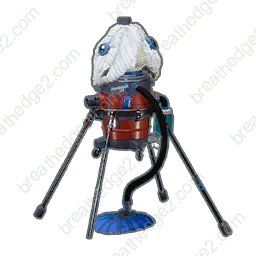
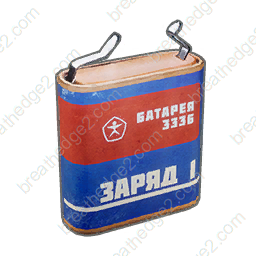
| Source | What it offers | What to prepare |
|---|---|---|
| Public Oxygen Station | An existing installation with a hose | Complete its repair when required and replenish an empty supply as prompted |
| Portable Oxygen station | A placeable station with 500 oxygen capacity | Crafting or repair materials and Battery cells |
| Worm nest | A natural oxygen source that replenishes | Enough oxygen to reach it and an alternate stop if its supply is low |
An Oxygen station in your inventory is a placeable device. The Public Oxygen Station quest refers to an existing installation in the world. Their repair materials and operating needs are different.
Worm nests provide another way to breathe without building a station. Treat each stop as a resource to inspect before relying on it for the return journey.
Repair the public station with its own supplies
| Material | Quantity |
|---|---|
| Metal | 3 |
| Electronics | 2 |
| Wires | 1 |
| Electrical tape | 3 |
The Public Oxygen Station journal has separate inspection and repair objectives. Inspect the installation and follow the active prompt before spending materials.
The normal station interaction can involve payment or adding water when the tanks are empty. Follow the station you are using; the portable station’s 500-unit capacity is not a promise about every public installation.
Build a portable station and budget for upkeep
| Action | Materials |
|---|---|
| Craft an Oxygen station | 2 Techbits, 4 Titanium, 2 Fabric, 4 Wires |
| Repair an existing Oxygen station | 1 Techbits, 2 Titanium, 1 Plastic, 2 Wires |
A portable Oxygen station collects oxygen from water-vapor emissions and stores up to 500 units. Its Battery cell supply, repair condition and stored oxygen serve different roles: a number on one meter does not guarantee the other needs are satisfied.
You can dismantle and place the station again. Positioning it along a useful gathering route can reduce the distance between refills, but include the trip to the station in your oxygen budget.
Use nests, but protect an oxygen supply from worms
Oxyworms gather around debris, neglected ships and oxygen leaks. They can feed on the supply of a repaired and refilled public station. If the station seems to empty quickly, inspect the area for worms instead of assuming the repair materials were wrong.
Their nests store oxygen and replenish it over time. A nest is useful for a refill, while a single caught Oxyworm provides a much smaller emergency reserve and can apply Contamination when used for oxygen.
Oxyworm membranes can obstruct passages around colonies. The Cutter handles these membranes; simply carrying an Oxyworm does not clear the route.
Plan the outward trip and the way back
The 500-unit station figure describes storage, not minutes of travel. Your suit, active conditions and route determine how much time that oxygen buys.
- Start with the oxygen actually available in your suit. Maximum capacity is not the same as a full tank.
- Choose a reachable refilling stop and a return route before collecting heavy materials.
- For a portable station, bring the Battery cells and repair materials it needs. For a public station, use its current refill prompt.
- Refill before taking a longer detour, and keep an emergency oxygen item for a stop that cannot supply you.
- Check carried weight as you gather. Severe overload slows the trip; critical overload also prevents flight.
Sources and version notes
Continue with a useful guide
Cold & Oxygen Drain: Chill, Frostbite and Hypothermia
Compare cold’s three oxygen multipliers, hunger drain and flight penalties, then choose warmth, supplies and suit upgrades before the return trip becomes an emergency.
Read the guide
Survival Bonuses: The 60–80% Food, Water & Rest Range
Keep satiety, hydration and rest inside their inclusive bonus range, compare three benefits and use portion examples without confusing them with timed consumable buffs.
Read the guide
Robots & Turrets: Triggers and Safe Approaches
Learn what alerts sentry turrets and patrol bots, why repair bots can shock you, and how garbage bots affect loose supplies.
Read the guide
Slow Movement: Overload, Fatigue & Food Bonuses
Find the six fatigue, overeating and overload penalties, the three carry-weight thresholds, and the food bonuses that help you prepare for a trip.
Read the guide